


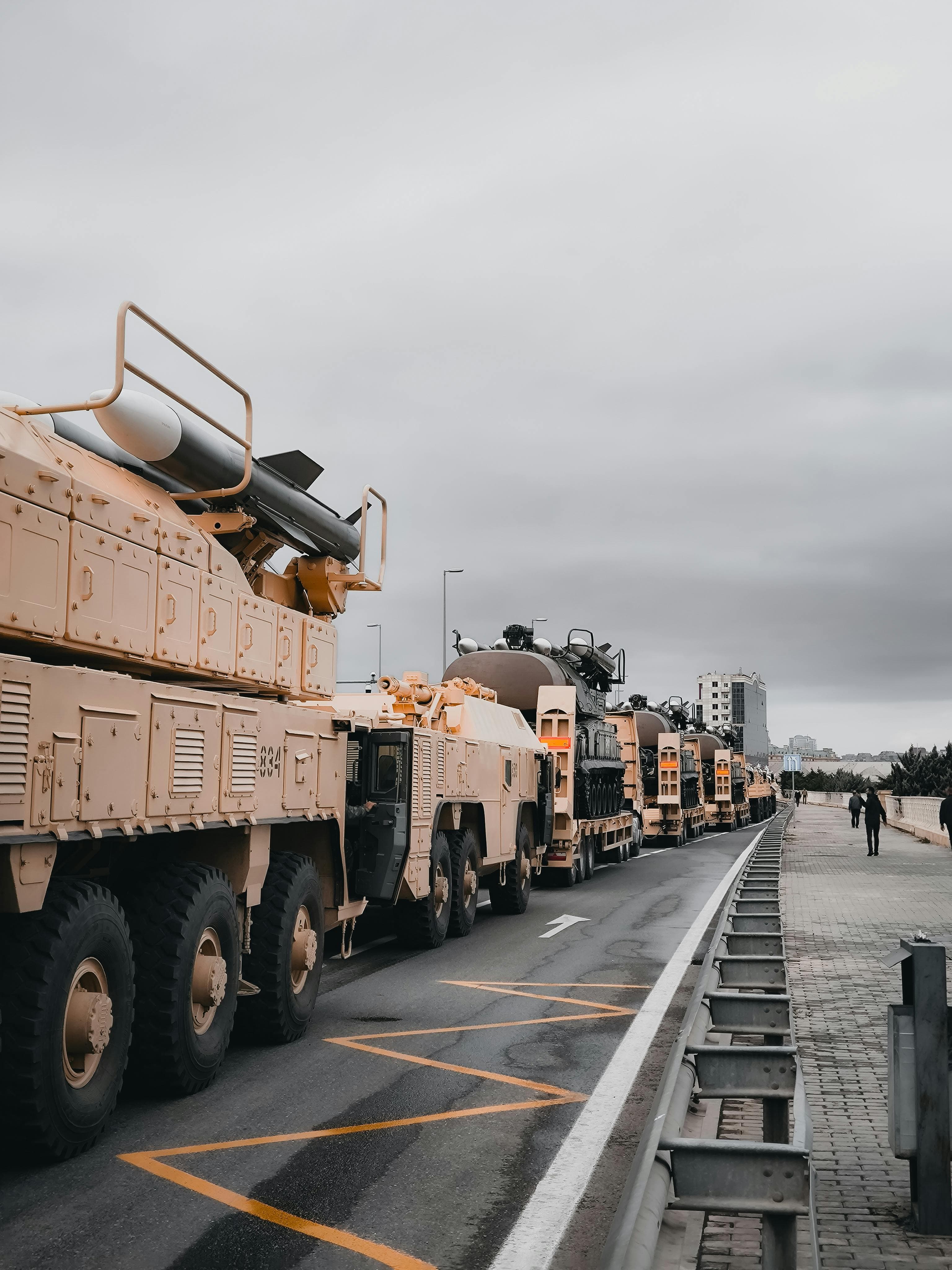
The problem — manual MilSpec compliance at volume
For a defense supplier processing multiple shipments per day across different contract vehicles and item categories, manual MilSpec compliance creates compounding problems. Staff must cross-reference the correct specification for each item type, apply the right packaging materials and labeling requirements, document the methodology, and produce a compliance package that can withstand government inspection.
A single error — wrong packaging spec applied, missing label requirement, incorrect documentation — can result in shipment rejection, contract compliance issues, or audit findings. At volume, the manual process does not scale without proportionally scaling compliance staff. The before state was hours of lookup work per shipment and compliance history scattered across email and attachments.
305 Aero Supplies and The Havi Group operate different contract mixes and item catalogs, but shared the same failure mode: compliance knowledge lived in individual operators, not in a system others could audit. Discovery focused on which specification paths were repeatable versus which required sign-off, then modeled both in queues with required evidence attachments.
What AUOTAM built
We built a system that makes the correct specification the default output rather than the result of manual effort. Staff enter item details, contract vehicle, and destination — the system generates the applicable packaging specification and compliance package, with human review preserved where judgment is genuinely required.
Deployments were scoped per operation — separate configuration for each contractor's contract vehicles and categories — with a shared pattern for audit exports and supplier documentation. Warehouse and field teams received the same web interface on desktop and mobile so compliance work could happen at the packing station, not only back at an office terminal.
- MilSpec specification database — structured repository of relevant packaging specifications mapped to item categories, contract types, and government client requirements
- Packaging specification generator — staff enter item details, contract vehicle, and destination; the system generates the correct packaging specification automatically, referencing the applicable MilSpec standard
- Compliance documentation generator — produces the full compliance package for each shipment, including specification references, packaging methodology, and labeling requirements in the format required for government review
- Audit trail — every specification generated is recorded with timestamp, user, item details, and the specific MilSpec version applied — creating a searchable compliance history
- Exception flagging — items that do not match a configured specification pattern are flagged for human review rather than passed through automatically
- Contractor and supplier portal — The Havi Group's supplier network can access specification requirements and submit compliance documentation through a structured web portal
- Web and mobile interface — field staff and warehouse teams can access the system from any device, generating compliance documentation at the point of packing rather than returning to a desktop
The outcome
Packaging specification generation reduced from hours of manual cross-referencing to minutes of system-guided input — with compliance documentation errors eliminated for pattern-matched shipment types.
Audit trail generated automatically for every shipment — compliance history searchable and exportable for government audit preparation. Staff freed from specification lookup work to focus on sourcing, supplier relationships, and contract management.
The system was deployed for both 305 Aero Supplies and The Havi Group — two separate defense contractor operations with different contract vehicles and item categories. Human review remains on edge cases where judgment is required; the system does not auto-apply specifications to unmatched patterns.
Qualitatively, teams reported fewer ambiguous handoffs and less time reconstructing who approved a deviation when a customer or auditor asked. Cycle time improved on specification-heavy SKUs where the correct MilSpec path was already configured — the gain was throughput and traceability, not removing human accountability from high-risk transitions.
What this means for defense contractors
MilSpec compliance is not optional — it is a condition of the contract. But the manual process of maintaining compliance at volume is a significant operational burden that grows with contract scope. Staff do not need to memorize every MilSpec standard — they need to enter the right inputs and trust that the system produces compliant documentation.
When specification updates land in the database centrally, operators are not chasing PDF revisions across inboxes — the generator reflects the current standard on the next shipment. That is how compliance scales without scaling headcount linearly with contract count.
Who this is for
This case study is most relevant for defense contractors managing MilSpec compliance documentation manually, government suppliers handling multiple concurrent contracts with different packaging and labeling requirements, industrial businesses with defense contracts that need compliant documentation workflows without a dedicated compliance team, and companies preparing for or managing DCSA or DCMA audit requirements.
A practical pilot scopes one contract vehicle and a bounded set of item categories first — enough to prove lookup time and audit recovery improve before expanding specification coverage across the full catalog.
What shipped
- MilSpec database, specification generator, and compliance package output per shipment
- Audit trail, exception flagging, and supplier portal for subcontractor documentation
- Web and mobile access for warehouse and field teams at point of packing
If your defense contracting operation is managing MilSpec compliance manually and you want to understand what automation would look like, book a 30-minute workflow review.
How we write case studies
Every published story follows the same editorial bar: context, constraints, shipped work, and honest metrics. Read the full methodology if you want to compare how we document outcomes to typical vendor marketing pages.